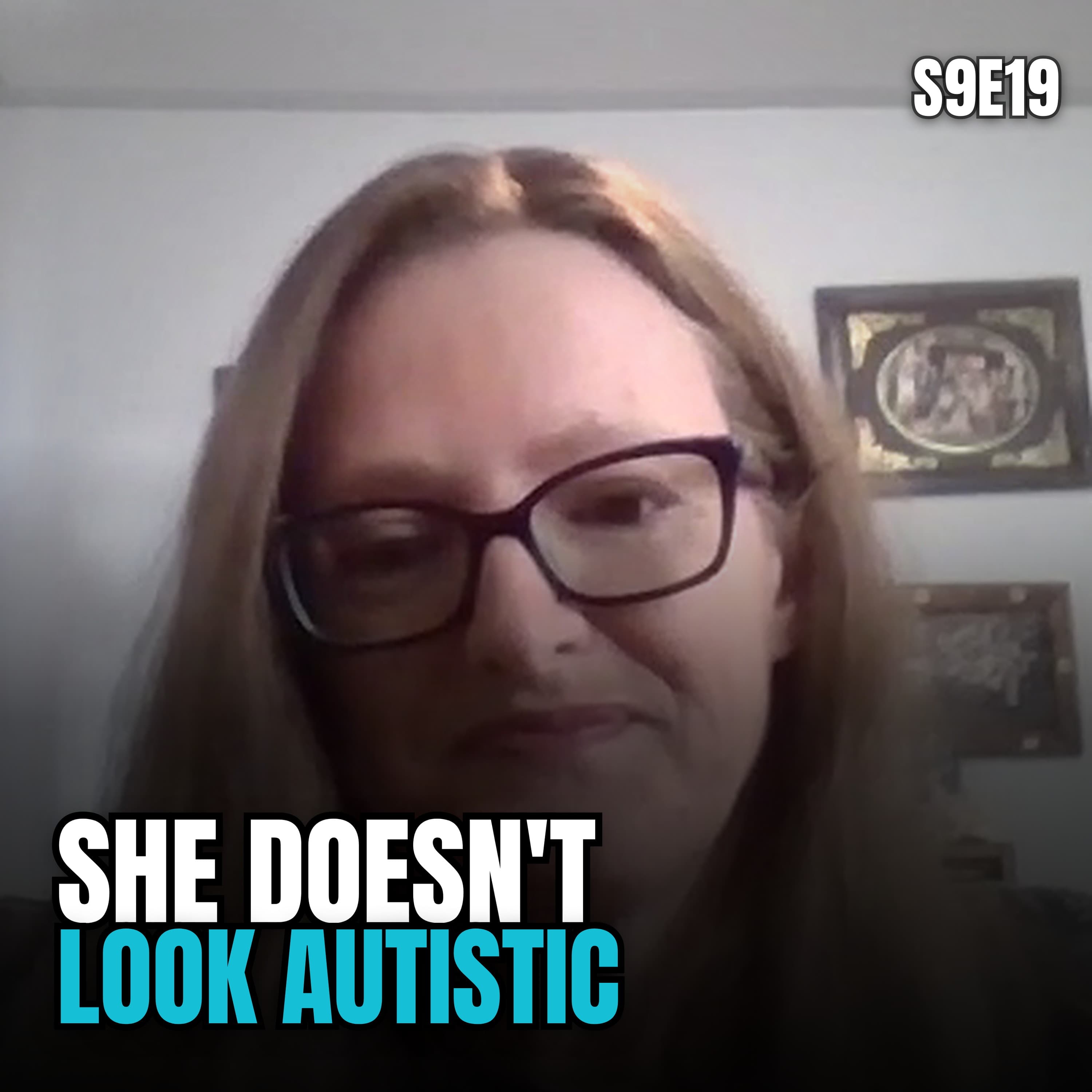
A couple of weeks ago, Deena Nathan's five year old son was in his room and yelled for her. He is non-speaking. She had never heard him call for her before.
"It was honestly the coolest thing that's ever happened in my life."
If you're outside this world, that might sound like a lot of feeling for one word. If you're in it, you already know why she cried. You've been keeping score on wins nobody else would count.
Hayden is five, autistic, level 2, and fluent on his AAC device. Getting him there wasn't luck. Deena stopped working the week he was diagnosed and went all in, including taking the classes at his device company herself so she could actually talk with her son instead of supervising a tool she didn't understand.
Her day starts with therapy at 8am. She drives anywhere from five minutes to nearly an hour to reach providers, in the Chicago area, where you'd assume coverage is good. It isn't always. "I feel like I'm just like a chauffeur a lot of the times, just driving around."
Then she says the thing most people won't say out loud. She has good family. Good friends. A community that shows up. And it's still lonely. "It still is lonely though, it's still very lonely." Both of those things are true at once, and if you've felt guilty for feeling alone inside a house full of people who love you, she just took that guilt off you.
Her ask for the rest of us is the clearest one this show has had. Her son hears and understands every word. Talk to him, not about him.
What you'll hear
The day her non-speaking son called out for Mom, and why she's still not over it
What level 2 autism actually looks like in a five year old
How a parent becomes fluent on an AAC device alongside her kid
A day built around therapy, and the guilt that comes with the driving
Why she says presuming competence gets harder the moment people hear the word autism
Supported and still lonely, and why both are true at the same time
Her answer to future panic, that no one's future is predicted
Why families at different support levels end up disconnected from each other
"Our kids can hear and understand everything."
Deena Nathan
About the guest
Deena Nathan lives in the North Shore suburbs of Chicago with her husband Kevin and their two kids. Her son Hayden is five and has a level 2 autism diagnosis, and she suspects her 17 month old is autistic as well. She stopped working when Hayden was diagnosed and built her days around his therapy schedule and his AAC device. She's now a certified life coach and works with parents of kids with unique needs through her practice, DFN Connected Growth.
About your host
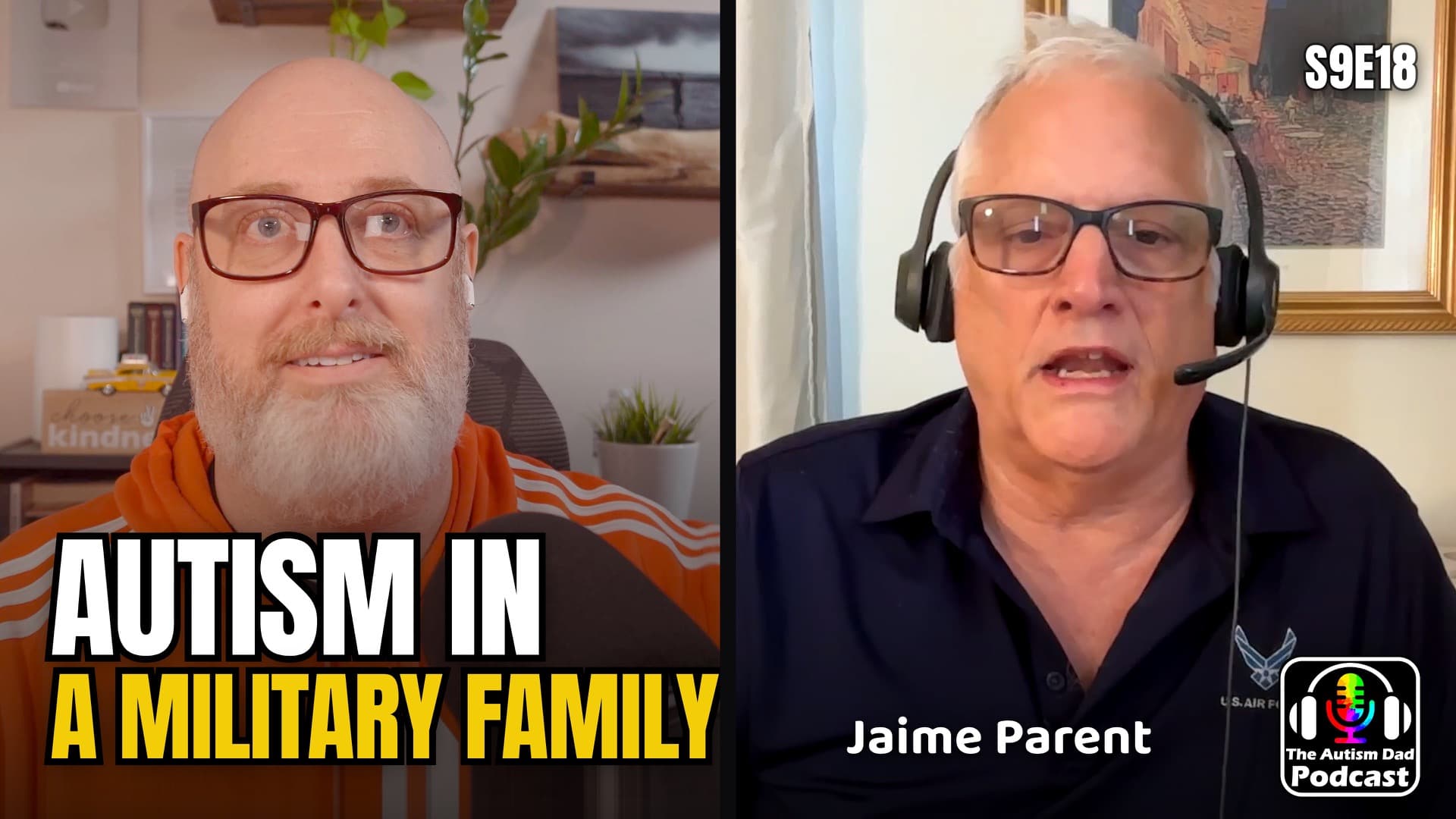
Rob Gorski is the founder of The Autism Dad, a blog and podcast dedicated to supporting parents raising kids on the autism spectrum. As a dad of three autistic sons with over 25 years of experience, Rob brings lived experience, honesty, and heart to every conversation.
Rob's book, So Your Child Was Just Diagnosed with Autism, lands December 29, 2026 from Fair Winds Press. Updates and preorder: theautismdad.com/book
Sponsors
This episode is sponsored by Mightier, a biofeedback emotional regulation program for kids developed and tested at Boston Children's Hospital. Kids wear a heart rate monitor and play games that get harder when they get dysregulated and easier as they calm down, so they practice regulating themselves in the moment. Read Rob's full review at theautismdad.com/mightier-review and use code theautismdad22 for 10% off. #ad
This episode is also presented by Best Part Kids, a sensory-friendly multivitamin for selective eaters created by dietitian Brittyn Coleman. Use code THEAUTISMDAD for 10% off at BestPartKids.com. #ad
Frequently asked questions
What does level 2 autism mean?
Level 2 is the middle of the three support levels in the diagnostic criteria, and it means a person needs substantial support. In practice it describes a kid whose communication and flexibility needs are significant enough that they show up in every setting, not only under stress. Deena's son is level 2 and non-speaking, and he communicates fluently using an AAC device. Level is a description of support needs. It is not a ceiling on what a kid can do.
Can a non-speaking child understand everything you say?
Often, yes, and this is the single point Deena most wants people to take away. "Our kids can hear and understand everything." A child who doesn't speak may still be processing every word in the room, including the words adults say about him while he's standing there. No speech does not mean no comprehension, and the two get confused constantly.
What is an AAC device?
AAC stands for augmentative and alternative communication. An AAC device gives a person a way to communicate without speech, usually a tablet or dedicated speech generating device the user navigates to build words and sentences. Hayden is fluent on his. Deena took classes with the device company herself so she could use it with him rather than around him, which is a big part of why he got fluent.
What does presuming competence mean?
It means starting from the assumption that a person understands, has opinions, and belongs in the conversation about their own life, and then making that the default rather than the reward. As Deena puts it, "presuming competence is really difficult when you hear the word autism." It isn't a nice sentiment. It's a practical standard, and it changes how an IEP meeting, a clinic appointment, and a classroom actually run.
What is hyperlexia?
Hyperlexia is an early and intense ability to read, often well ahead of what you'd expect for a child's age and often ahead of their spoken language. It shows up frequently in autistic kids. Hayden is hyperlexic, which is part of why the assumption that he isn't taking things in is so far off.
Why do autism parents feel lonely even when they have support?
Because support and understanding aren't the same thing. Deena has family who show up, friends who get it, and a real community, and she still described it as lonely. The isolation comes from a daily life almost nobody around you is living, not from a shortage of people who care. Feeling it doesn't make you ungrateful, and saying it out loud is usually what lets other parents admit it too.
Resources mentioned
DFN Connected Growth, Deena's coaching practice for parents of kids with unique needs: dfnconnectedgrowth.com
Rob's full Mightier review: theautismdad.com/mightier-review
Best Part Kids, code THEAUTISMDAD: bestpartkids.com
More Seen and Heard episodes: listen.theautismdad.com
Preorder Rob's book: theautismdad.com/book
If you found this episode helpful, please follow The Autism Dad Podcast on Apple Podcasts, Spotify, or wherever you listen. Visit listen.theautismdad.com for past episodes, resources, and ways to support the show.
You can find Rob at theautismdad.com, on Facebook, Instagram, and TikTok at The Autism Dad, and on YouTube at The Autism Dad. New episodes drop every week at listen.theautismdad.com.